

Our Services
Our services are designed to support every stage of the surface lifecycle, using advanced laser technology to remove contamination, restore original materials, and prepare surfaces to meet precise industrial standards. This controlled, non-abrasive process delivers consistent results across a wide range of applications and materials.
Cleaning
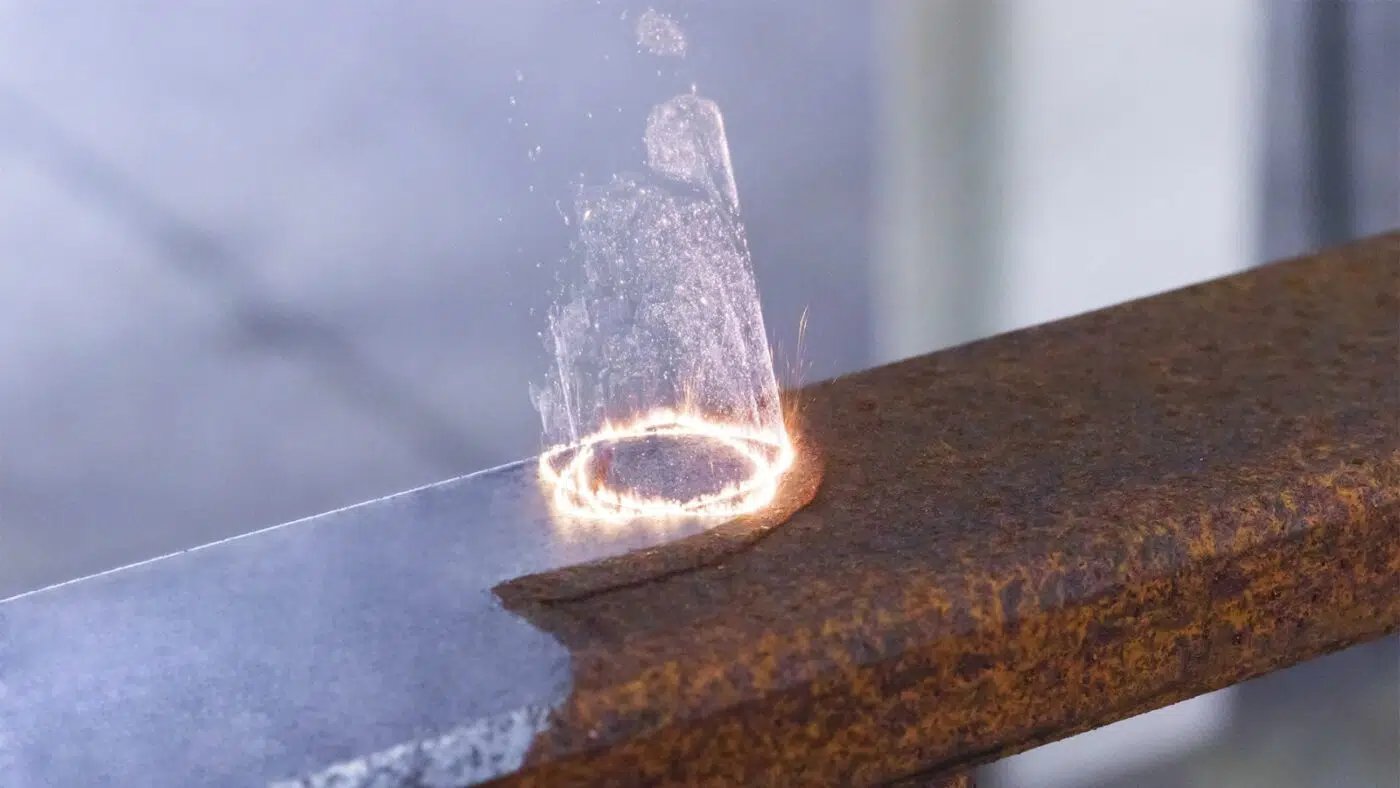
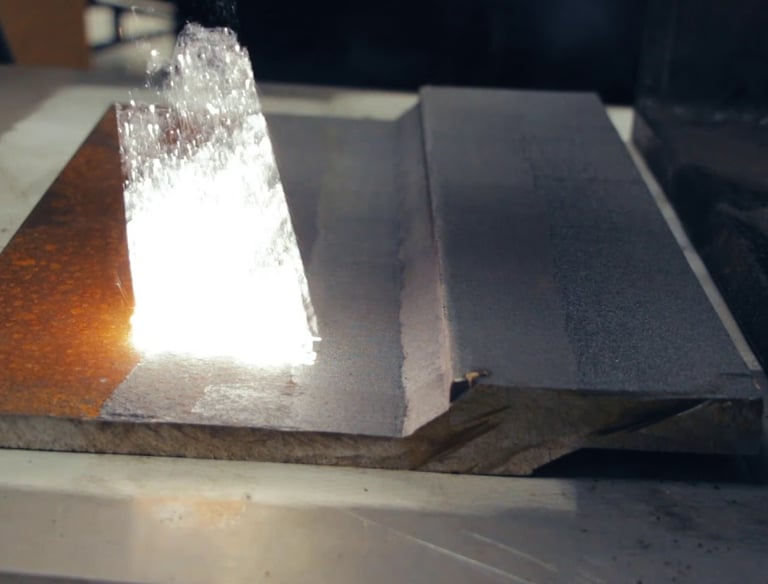
Laser Cleaning is used to remove rust, paint, coatings, oils, and surface contaminants from steel, stainless steel, stone, wood, and concrete. The laser precisely targets unwanted material without abrasion or damage to the underlying surface or substrate.
Restoration
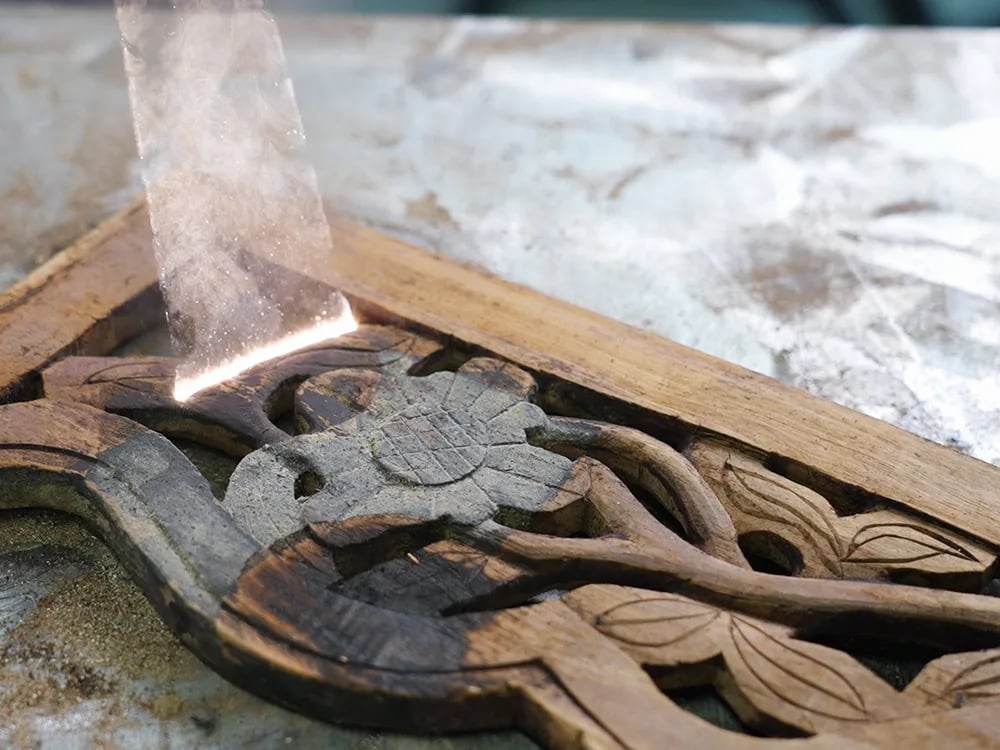
Laser Restoration is used to restore worn, corroded, or contaminated surfaces on steel, stainless steel, stone, wood, and concrete, bringing surfaces back to serviceable condition. The process removes deterioration and buildup while maintaining surface detail and integrity.
Laser Surface Preparation prepares steel, stainless steel, stone, wood, and concrete surfaces for welding, painting, coating, or bonding. By removing oxides, residues, and surface impurities, the laser creates a consistent, high-quality surface ready for the next stage.
Preparation
Laser Cleaning
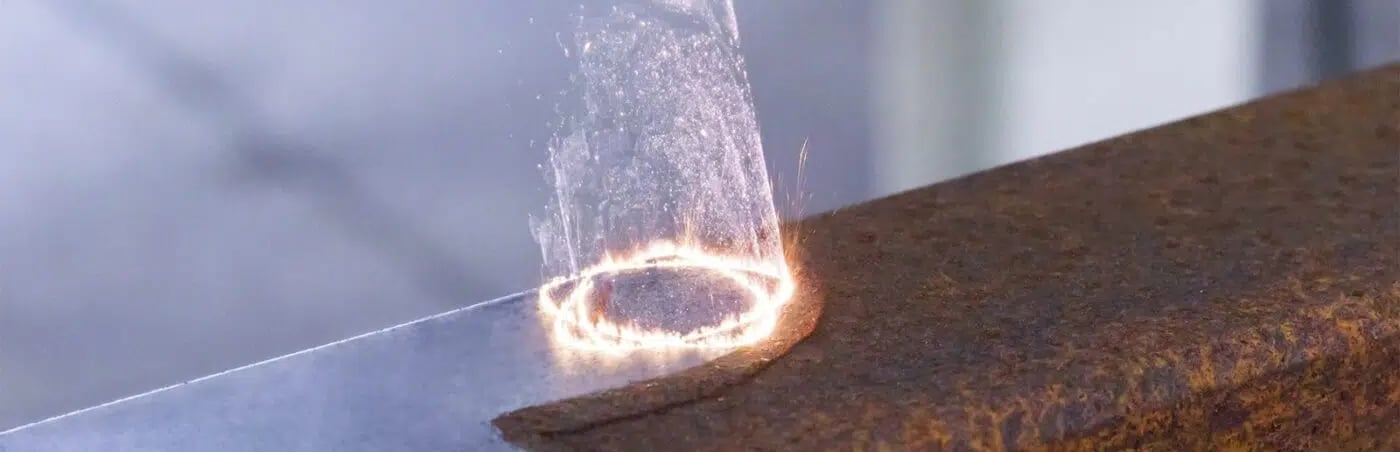
Laser cleaning is an advanced surface treatment process that uses controlled laser energy to remove unwanted surface contaminants without damaging the underlying material. High-energy laser pulses are absorbed by contaminants such as rust, paint, oxides, oils, and coatings, causing them to break down and be removed, while the base material reflects the energy and remains unaffected.
Unlike abrasive blasting or chemical cleaning, laser cleaning is a dry, contact-free process with no physical impact on the surface, no embedded media, and no chemical residue. Laser parameters such as power, pulse duration, and frequency are precisely adjusted to suit the material and surface condition, delivering consistent, repeatable results across a wide range of applications.
Laser cleaning is effective on steel, stainless steel, concrete, stone, and wood, and is suitable for both heavy industrial and more sensitive surface applications.
What Is Laser Cleaning?
Common Applications
Rust and corrosion removal from steel and stainless steel
Paint, coating, and surface film removal
Oil, grease, and industrial residue removal
Oxide and heat tint removal from stainless steel
Cleaning of concrete, stone, and timber surfaces
Key Benefits
Non-abrasive – no grinding, blasting, or surface erosion
Chemical-free – no solvents, acids, or hazardous waste
Highly controlled – laser settings adjusted to suit each material
Minimal waste – removed material is captured as fine dust
Safe for complex geometries – ideal for edges, welds, and details
Laser Restoration
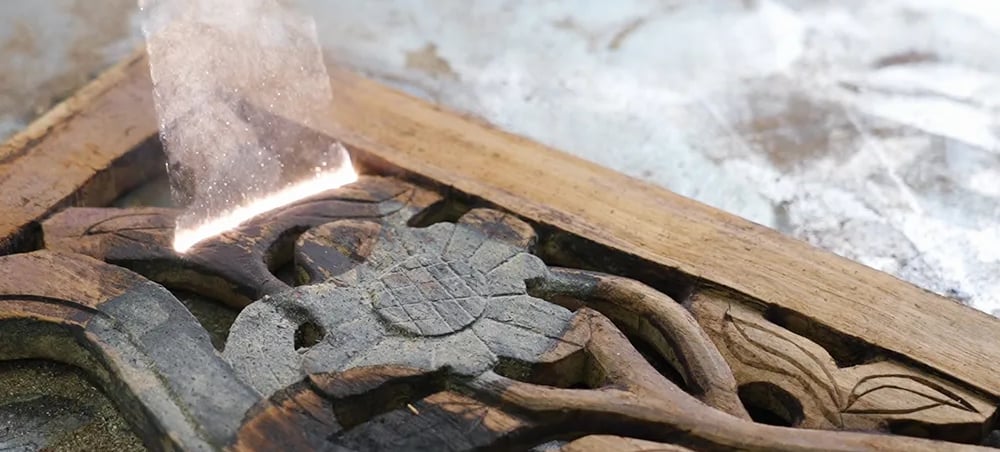
Laser restoration is a specialised application of laser cleaning technology focused on restoring surfaces affected by corrosion, contamination, aging, or previous coatings. The process selectively removes unwanted layers while preserving the original surface beneath, making it ideal where material integrity and surface detail must be maintained.
By precisely controlling laser intensity and depth, corrosion and surface buildup can be removed without altering the base material’s structure or finish. This makes laser restoration effective for steel, stainless steel, stone, concrete, and timber surfaces that could be damaged by aggressive mechanical methods.
Laser restoration extends the usable life of assets while maintaining both functional performance and surface appearance.
What Is Laser Restoration?
Common Applications
Restoration of steel and stainless steel components
Removal of corrosion while preserving base material
Cleaning and restoration of stone and concrete surfaces
Timber and wood restoration without damaging grain
Removal of old coatings from sensitive or detailed surfaces
Key Benefits
Preserves original material – no loss of surface detail
Controlled depth removal – ideal for aged or delicate surfaces
Uniform results – consistent finish across treated areas
No secondary damage – avoids embedding grit or chemicals
Extends asset life – restores functionality and appearance
Laser Surface Preparation
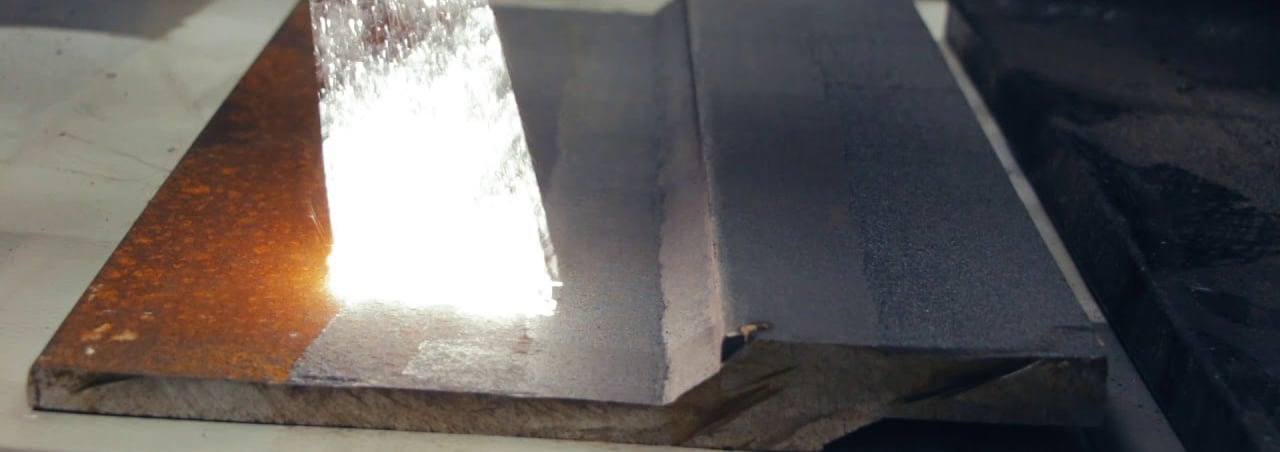
Laser surface preparation is a controlled process used to prepare materials for welding, coating, painting, or adhesive bonding. The laser removes surface contaminants, oxides, and residues that can interfere with adhesion or weld quality, leaving a clean, uniform surface.
Unlike abrasive methods, laser preparation does not introduce surface roughness or embedded debris and produces a predictable, repeatable surface condition. This consistency is critical for maintaining quality and reducing variability in downstream processes.
Laser surface preparation is commonly applied to steel, stainless steel, concrete, and other industrial materials where surface cleanliness directly impacts performance.
What Is Laser Surface Preparation?
Common Applications
Pre-weld cleaning of steel and stainless steel
Surface preparation prior to painting or coating
Adhesive bonding preparation
Removal of oxides and residues from fabrication surfaces
Concrete and steel surface preparation for protective coatings
Key Benefits
Improved adhesion – cleaner surfaces mean stronger bonds
Consistent surface condition – repeatable preparation results
No embedded contaminants – unlike blasting media
Reduced rework – cleaner prep improves downstream quality
Efficient & controlled – targeted cleaning where required

Materials & Surfaces
Laser technology is highly adaptable and can be precisely tuned to suit different materials, surface conditions, and desired outcomes. This makes it suitable for a wide range of industrial, commercial, and specialist applications.
Steel & Carbon Steel
Applications:
Rust and corrosion removal
Paint and coating removal
Pre-weld and pre-coating preparation
Asset and component restoration
Why laser works:
Removes contamination without thinning or damaging the base metal.
Stainless Steel
Applications:
Heat tint and oxide removal
Surface contamination cleaning
Pre-passivation preparation
Weld zone cleaning
Why laser works:
Highly controlled removal preserves surface finish and corrosion resistance.
Cast Iron
Applications:
Rust and oxide removal
Surface cleaning prior to machining or coating
Component restoration
Why laser works:
Non-abrasive process avoids embedding grit into porous surfaces
Aluminium & Non-Ferrous Metals
Applications:
Oxide removal
Pre-bonding and pre-coating preparation
Surface contamination removal
Why laser works:
Precise energy control prevents distortion or surface damage.
Concrete & Masonry
Applications:
Coating and paint removal
Surface contamination cleaning
Preparation for recoating or repair
Why laser works:
Removes surface layers without aggressive mechanical impact.
Stone (Natural & Engineered)
Wood & Timber
Painted & Coated Surfaces
Applications:
Surface restoration
Residue and coating removal
Controlled cleaning of textured surfaces
Why laser works:
Preserves surface detail while removing unwanted buildup.
Applications:
Paint and coating removal
Smoke, carbon, or residue removal
Surface restoration
Why laser works:
Selective removal protects grain and texture without sanding damage.
Applications:
Coating removal
Selective layer stripping
Surface preparation for re-coating
Why laser works:
Removes paint and coatings precisely without damaging the base surface.
Oxidised & Heat-Affected Surfaces
Applications:
Heat tint removal
Oxide layer removal
Weld preparation and post-weld cleaning
Why laser works:
Targets oxides precisely without altering base material.
Machinery & Equipment Components
Applications:
Maintenance cleaning
Corrosion management
Restoration of functional surfaces
Why laser works:
Non-contact process reduces wear on components.
Textures, Profiled & Complex Geometry
Applications:
Cleaning around welds, edges, and joints
Detailed component restoration
Precision cleaning of grooves and cavities
Why laser works:
No physical contact allows access to difficult areas.
Heritage, Architectural & Specialist Surfaces
Applications:
Controlled restoration
Non-destructive cleaning
Graffiti and pollutant removal
Why laser works:
Adjustable parameters allow gentle, surface-specific treatment.
If you’re unsure whether laser cleaning is suitable for your material or application, we can assess your surface and provide clear, practical guidance.
Laser cleaning, restoration, and preparation is effective for removing:
Rust and corrosion removal from metals
Paint and coating removal
Oils, grease, and industrial residue cleaning
Oxides and heat tint removal
Carbon buildup and surface film removal
Works on steel, stainless, concrete, stone, and timber
Safe for textured, profiled, or delicate surfaces
Suitable Surface Conditions for Laser Treatment
Important Note on Suitability
Not all surfaces respond the same way to laser treatment. Laser parameters are carefully adjusted based on:
Material type
Surface condition
Thickness and sensitivity
Desired outcome
This ensures the process is applied only where it delivers clear value and safe, effective results.
Our Work
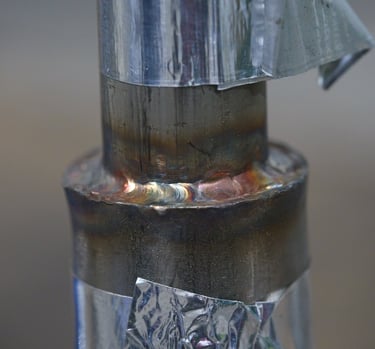
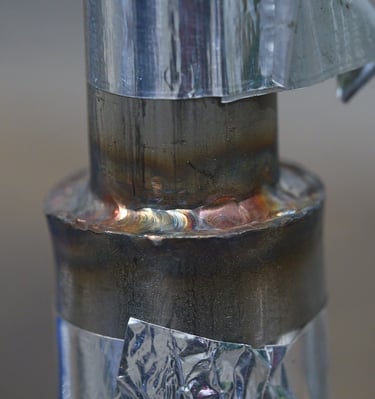
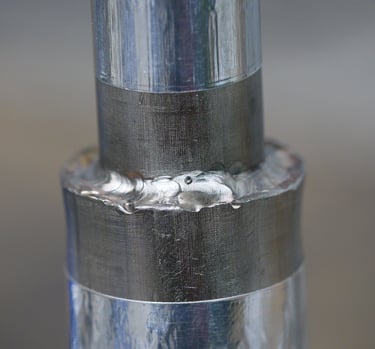
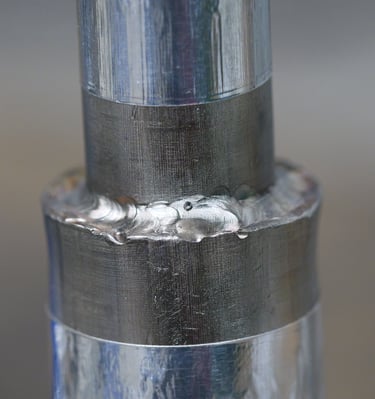
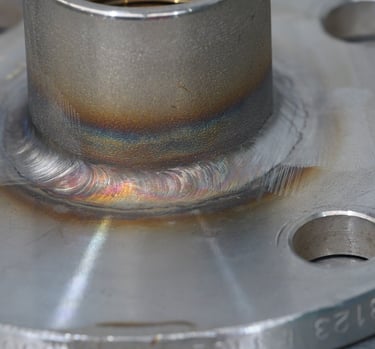
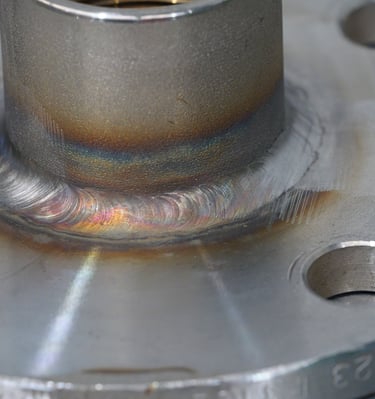
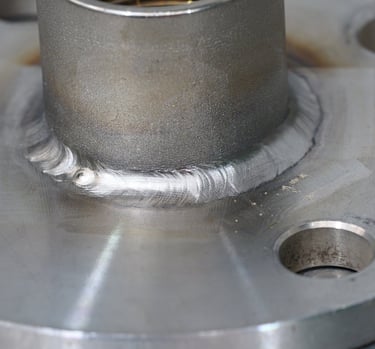
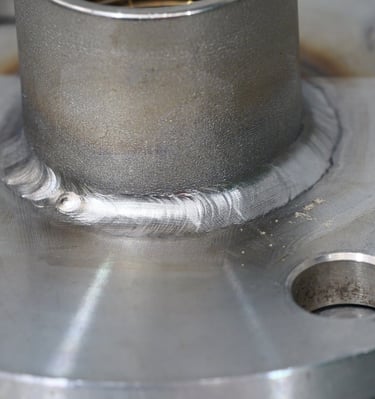
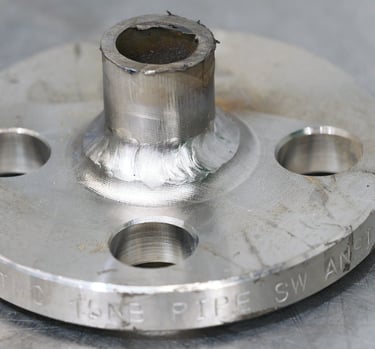
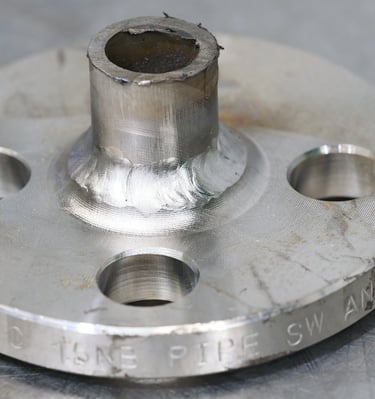
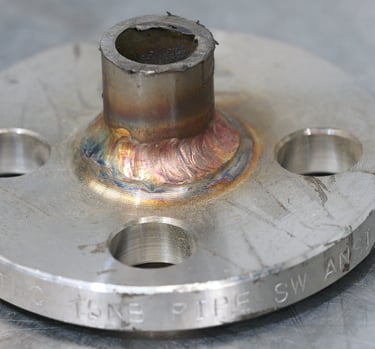
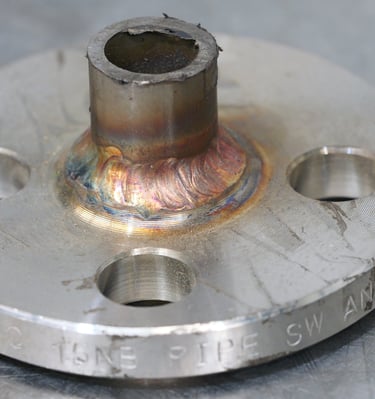
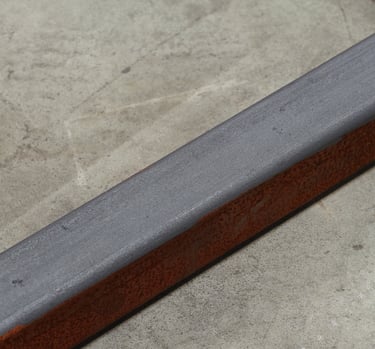
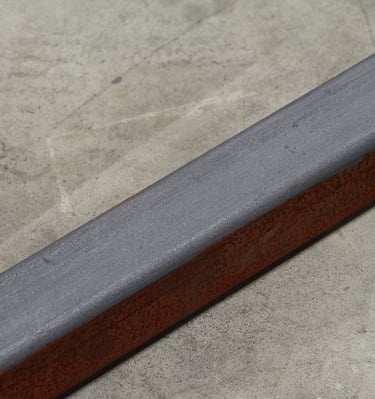
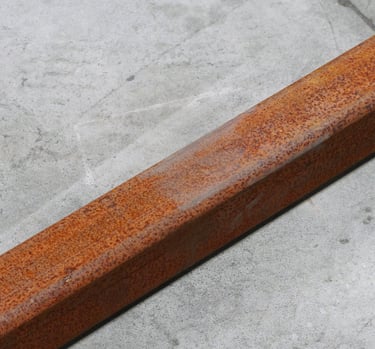
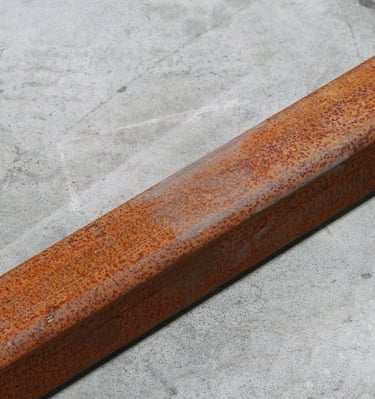
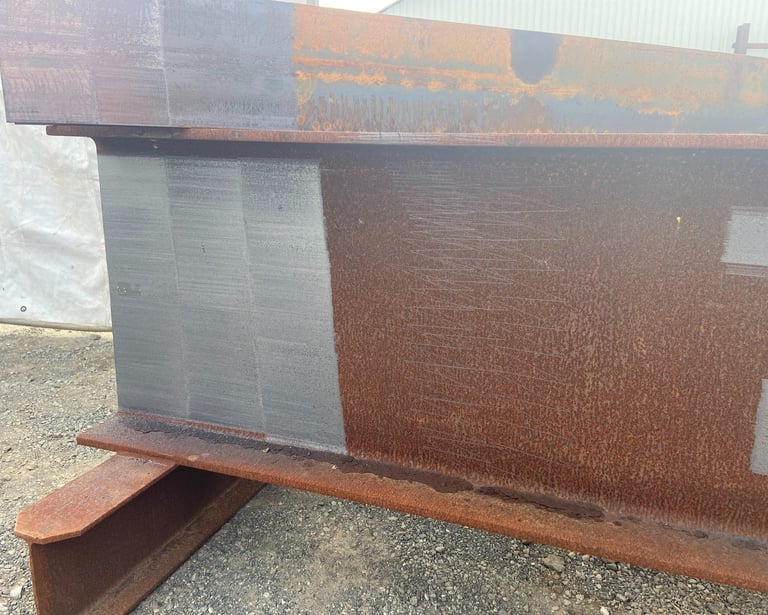
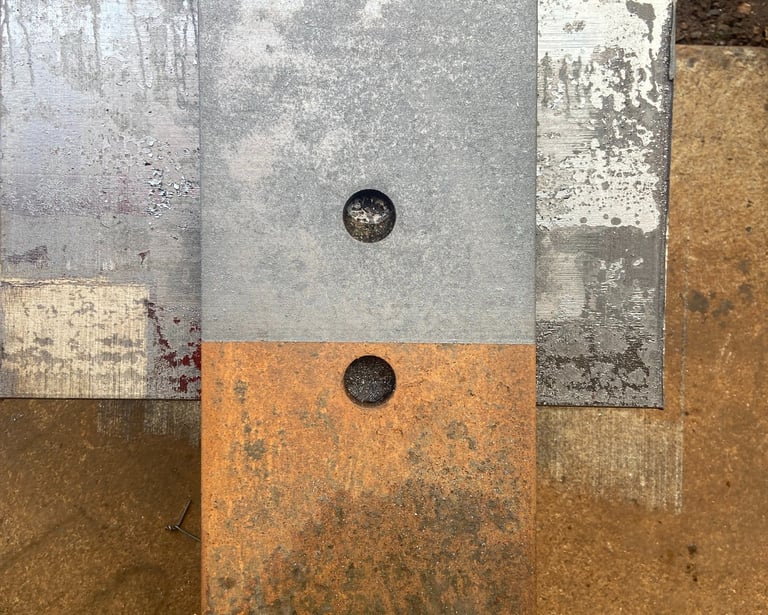
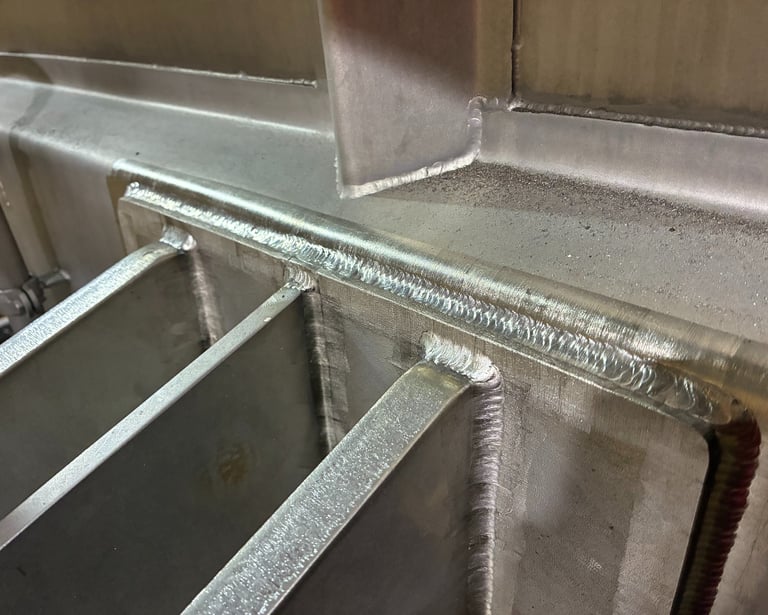
At Complete Laser NZ, we take pride in delivering precise, reliable laser cleaning, restoration, and surface preparation. From industrial machinery to structural steel and delicate heritage surfaces, our work restores, protects, and prepares surfaces to the highest standard.


© 2026 Complete Laser Cleaning NZ Ltd. All rights reserved.
Complete Laser Cleaning NZ Ltd
E - info@completelaser.co.nz
W - www.completelaser.co.nz